

Pattern – Chunky Tile Cushion
Pattern – Chunky Tile Cushion
Addons
-
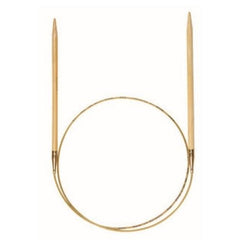
Addi Bamboo Circular Needles 6mm (US 10) x 60cm
Regular price £8.50Sale price £8.50 Regular priceUnit price per -
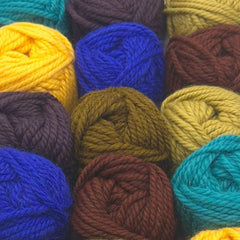
Chunky Alpaca Yarn | 75% Alpaca | British & Irish Farms
Regular price £9.50Sale price £9.50 Regular priceUnit price per
 100% Secure payment
 Free shipping on orders over £45
 Returns accepted for 90 days
 Shipped within 24 hours


Skill Level: Easy
You will be sent a link to download a digital version. If you are ordering yarn to go with this, we will include a printed pattern in your order automatically.
To make this cushion you will need 350g (350m) Gorgeous Chunky yarn made from 75% alpaca / 25% sheep: 250g (250m) for the Main Colour (the whole of the back and the tiles on the front), and 100g (100m) for the Second Colour (the outline of the tiles).
The two pattern designs are:
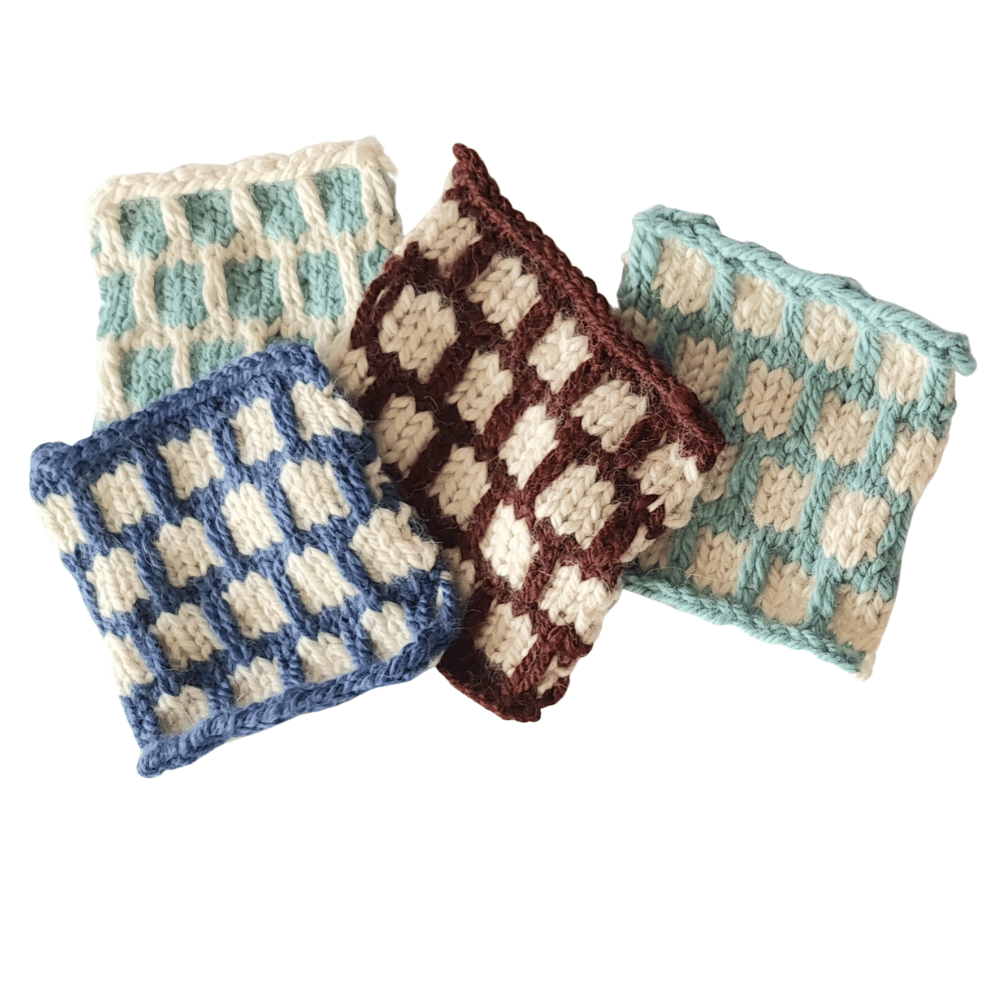
- Front – Offset tiles, which involve slipping stitches, knit and purl
- Back – Knit, purl, buttonholes
- Colours – the Main Colour is for the back and buttonhole flap (250g) and the contrast colour is for the Front Tiles (100g). Shown here in Parchment (main) and Saxifrage (second colour)
- How To Videos available for all stitches and the buttonholes
You will also need:
- 5 x 5cm buttons
- 6mm (US 10) needles & a tapestry needle
- 41 x 41 cm (16 x 16 in) cushion pad – we recommend pads from Merrick & Day
Designed by Emma Adeane
Need more information?


Biodegradable

Less Chemicals

Less Washing

Stain Resistant

No Ironing

Sustainable Alpaca

Water Repellent
Biodegradable
Less Chemicals
Less Washing
Stain Resistant
No Ironing
Sustainable Alpaca
Water Repellent
Biodegradable
Less Chemicals
Less Washing
Stain Resistant
No Ironing
Sustainable Alpaca
Water Repellent
Biodegradable
Less Chemicals
Less Washing
Stain Resistant
No Ironing
Sustainable Alpaca
Water Repellent
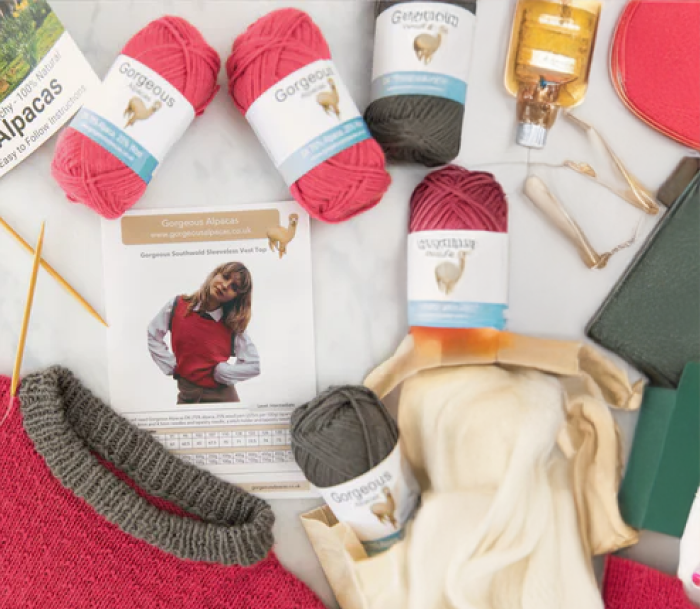

Pick your Pattern
Unlock Your Creative Potential with a great range of patterns matched with divine yarn in vibrant colours and How To videos for the stitches.
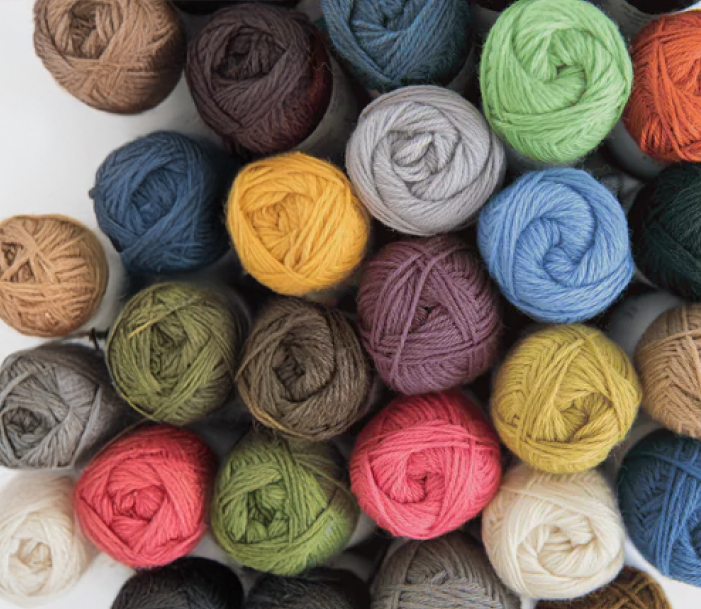

Choose your Colours
Unlock Your Creative Potential with a great range of patterns matched with divine yarn in vibrant colours and How To videos for the stitches.
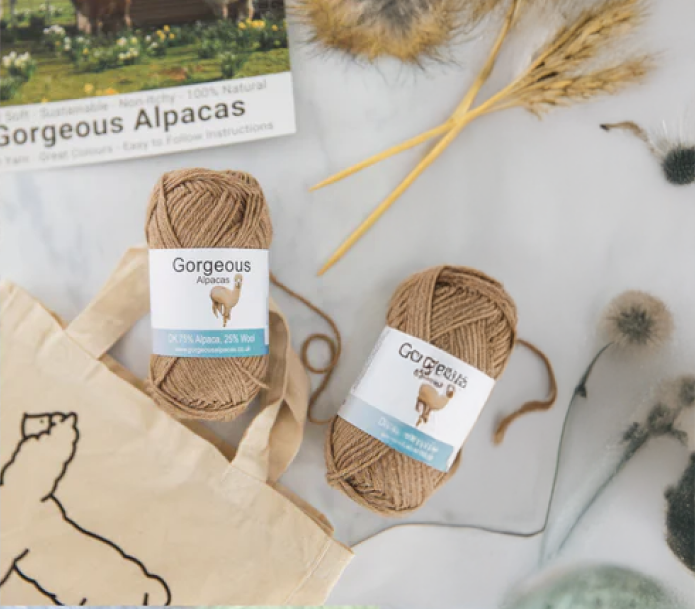

Receive your Kit
Unlock Your Creative Potential with a great range of patterns matched with divine yarn in vibrant colours and How To videos for the stitches.
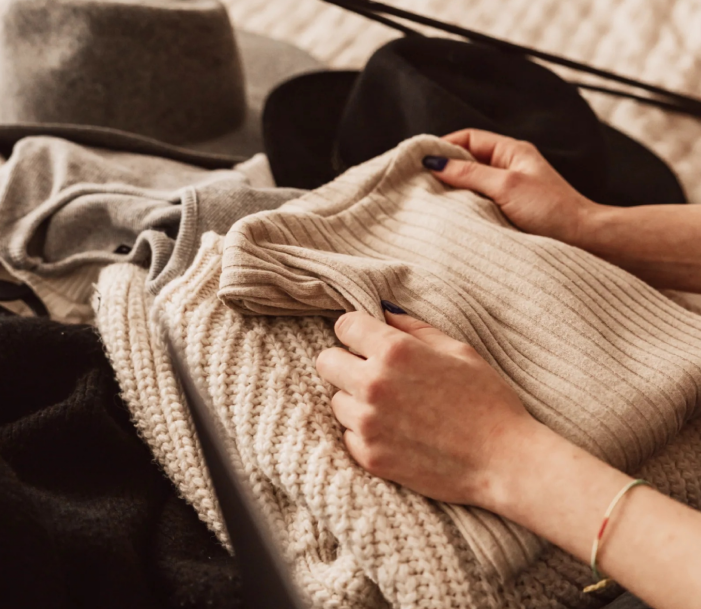

Create your Unique Home Knit
Unlock Your Creative Potential with a great range of patterns matched with divine yarn in vibrant colours and How To videos for the stitches.