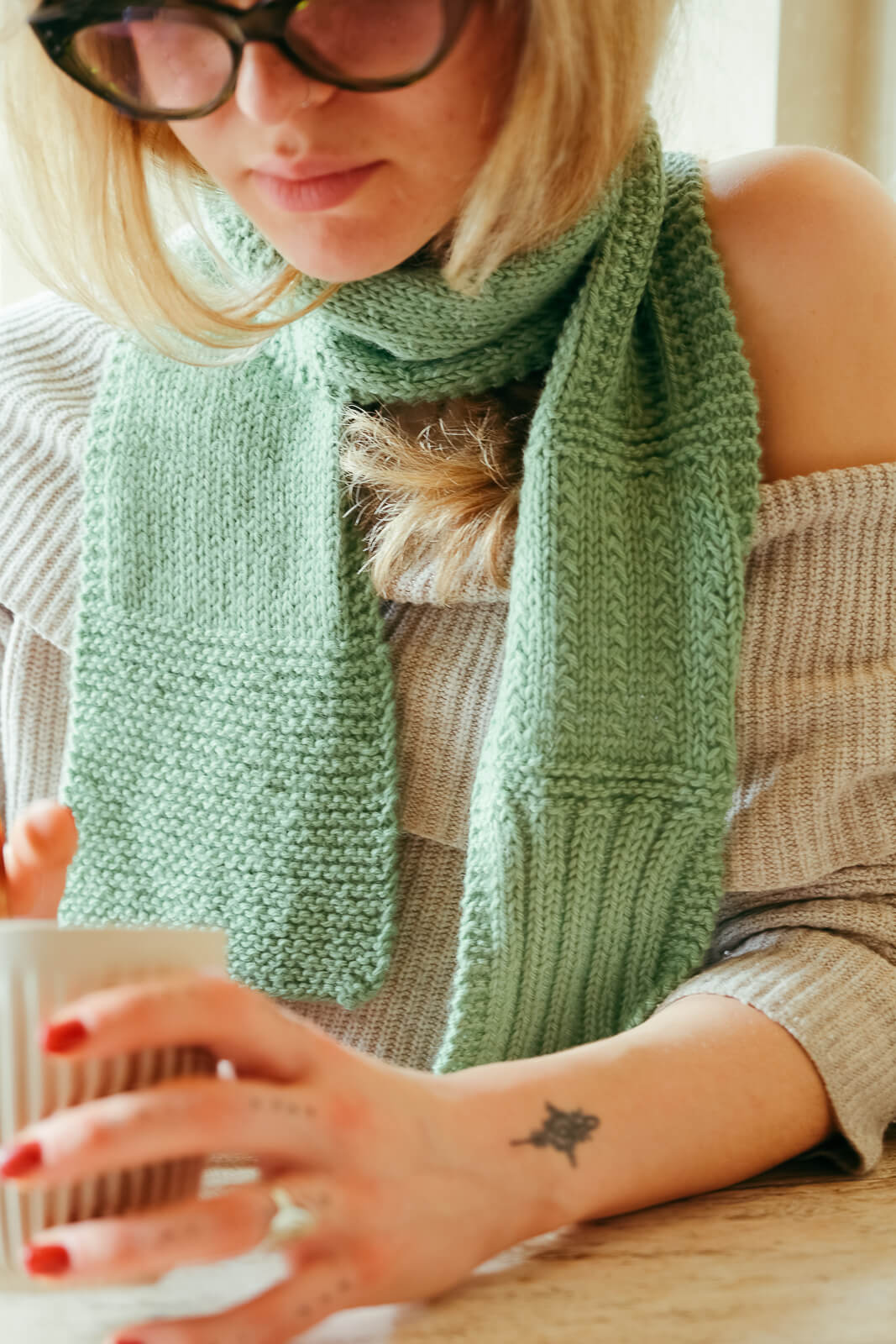

Skinny Sampler Scarf – Easy Knitting Pattern
Skinny Sampler Scarf – Easy Knitting Pattern
Addons
-

DK Alpaca Yarn | 75% Alpaca | British & Irish Farms
Regular price £9.50Sale price £9.50 Regular priceUnit price per

 100% Secure payment
 Free shipping on orders over £45
 Returns accepted for 90 days
 Shipped within 24 hours


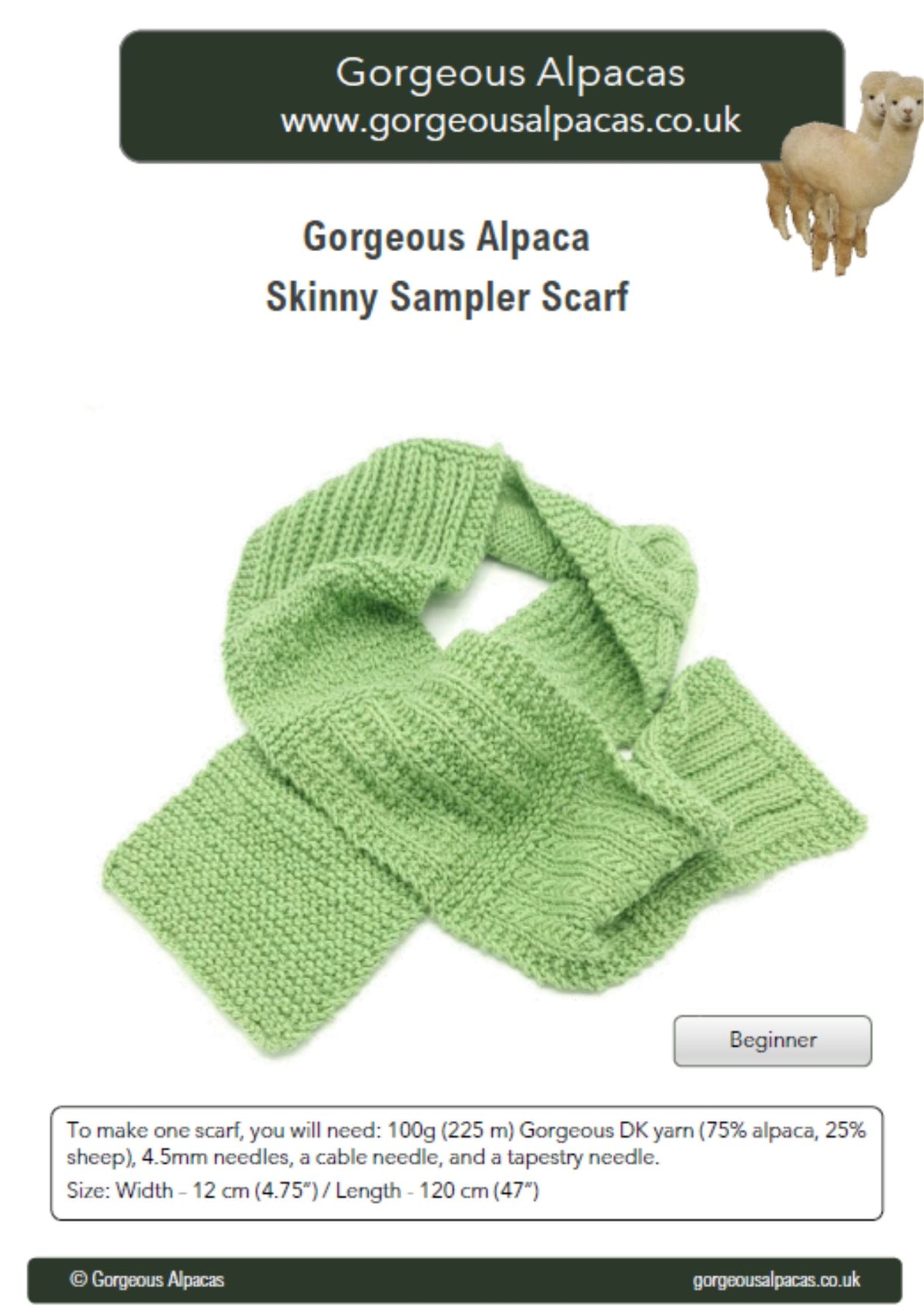
Digital knitting pattern for a skinny sampler scarf. You will be sent a link to download the pattern. Yarn and needles are not included with this pattern. If you order yarn to go with it, we will also include a printed pattern in your yarn order.
Part of our Restful range, this scarf lets you enjoy a variety of stitch patterns in a small, relaxed project. Beginners can practise casting on, knitting and purling, while more experienced knitters can settle into the changing textures. The stitches are supported by our how-to videos.
Materials and gauge
- Recommended yarn: 100 g of our lightweight DK alpaca yarn, made from fleeces from British and Irish alpaca farms
- Needles: 4.5 mm (US 7)
- Gauge: 21 stitches and 27 rows over 10 cm (4 in) in stocking stitch
Finished size
One size: approximately 120 × 12 cm (47 × 4¾ in).
Looking for other styles and sizes? Explore our Sampler Collection.
Need more information?

Biodegradable

Less Chemicals

Less Washing

Stain Resistant

No Ironing

Sustainable Alpaca

Water Repellent
Biodegradable
Less Chemicals
Less Washing
Stain Resistant
No Ironing
Sustainable Alpaca
Water Repellent
Biodegradable
Less Chemicals
Less Washing
Stain Resistant
No Ironing
Sustainable Alpaca
Water Repellent
Biodegradable
Less Chemicals
Less Washing
Stain Resistant
No Ironing
Sustainable Alpaca
Water Repellent

Pick your Pattern
Unlock Your Creative Potential with a great range of patterns matched with divine yarn in vibrant colours and How To videos for the stitches.
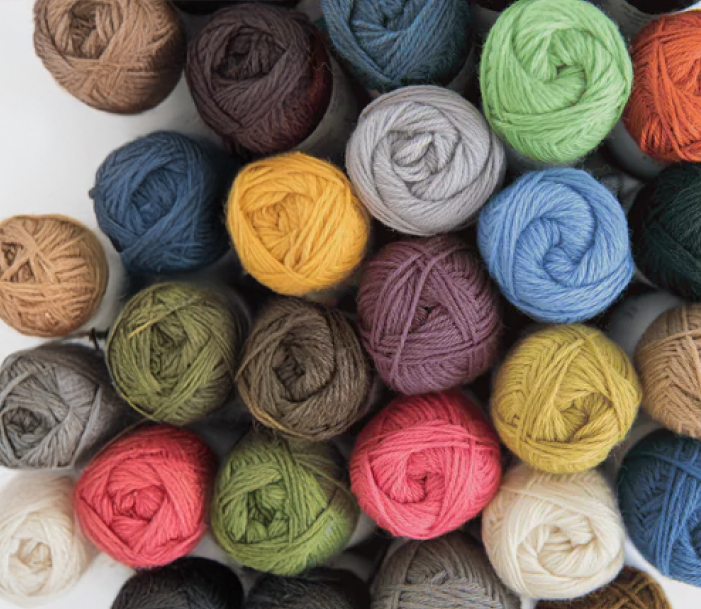

Choose your Colours
Unlock Your Creative Potential with a great range of patterns matched with divine yarn in vibrant colours and How To videos for the stitches.
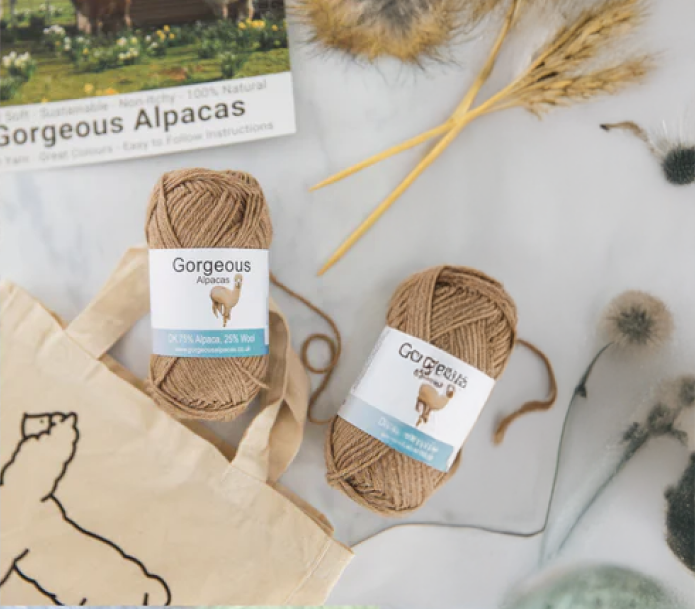

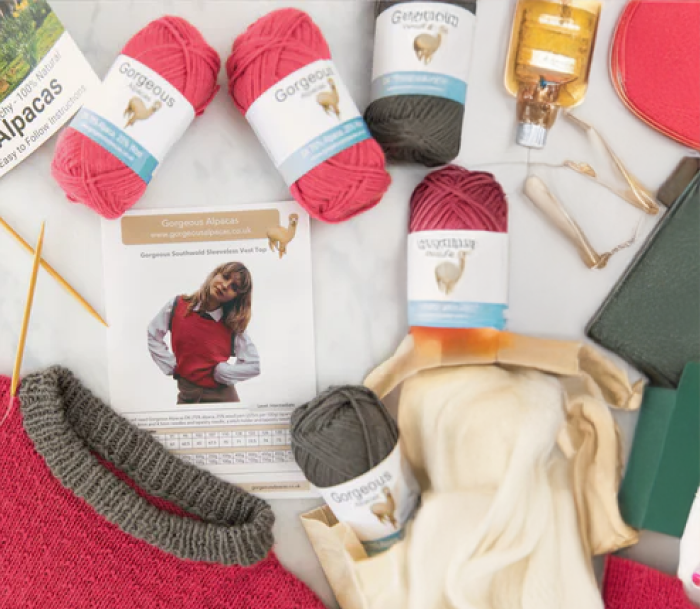
Receive your Kit
Unlock Your Creative Potential with a great range of patterns matched with divine yarn in vibrant colours and How To videos for the stitches.
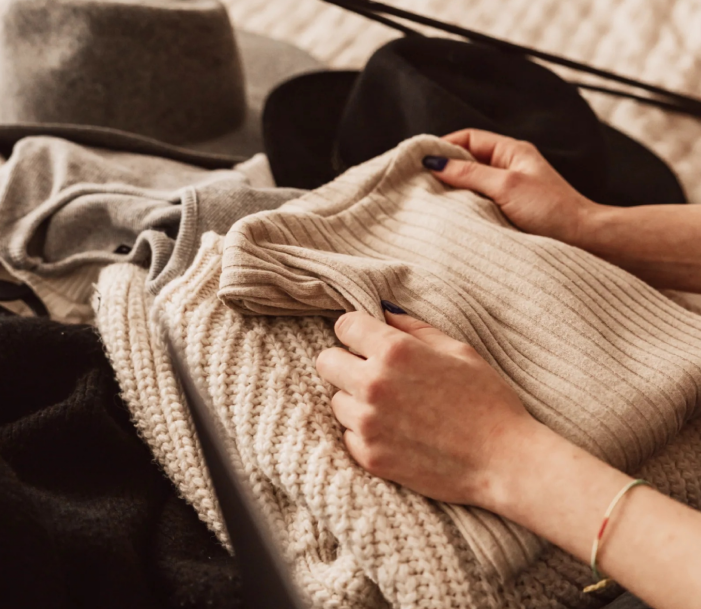

Create your Unique Home Knit
Unlock Your Creative Potential with a great range of patterns matched with divine yarn in vibrant colours and How To videos for the stitches.