

Chunky Everyday Alpaca Scarf or Cowl - Printed Pattern
Chunky Everyday Alpaca Scarf or Cowl - Printed Pattern
 100% Secure payment
 Free shipping on orders over £45
 Returns accepted for 90 days
 Shipped within 24 hours


This pattern will be printed and sent to you by Royal Mail. No printer needed.
- Makers who love mindful, relaxing projects
- Those who enjoy versatile accessories
- Knitters seeking soft, durable natural fibres
- Clear, easy-to-follow written instructions
- Three style options: wide scarf, skinny scarf, or cowl
- Includes gauge, full materials list, and finishing notes
- Professionally printed and posted — no printer needed
Scarf Size:
- Version 1: Wide scarf 100 cm x 15 cm (40 inches x 6 inches)
- Version 2: Skinny scarf 125 cm x 12 cm (50 inches x 4.75 inches)
Cowl Size: 50 cm x 15 cm (20 inches x 6 inches)
Skill Level - Improver — must have worked with 1 x 1 ribbing and ideally be able to recognise a purl or knit stitch in the row below.
Pattern designed by Emma Adeane for Gorgeous Alpacas.
You will need:
- Scarf 200g (200m) chunky yarn made from 75% alpaca/25% sheep (4 balls) or, for the cowl 100g (100m) chunky yarn made from 75% alpaca/25% sheep (2 balls)
- 6mm (US 10) knitting needles
- Tapestry needle for finishing
Gauge: 15 sts x 18 rows = 10 cm (4 inches) over stocking stitch using 6mm (US 10) needles
New to Mock English Rib? Watch our how-to video on our Knitting Basics page.
Want everything in one box? Try our Chunky Everyday Alpaca Scarf & Cowl Knit Kit — includes the yarn, pattern, and project bag.
FAQs
- How will I receive my pattern? You will receive a printed pattern sent by Royal Mail.
- Is this suitable for beginners? No — you should have worked with plain ribbing and be able to recognise a knit or purl stitch by its shape.
- Can I substitute a different yarn? Yes, as long as it matches the gauge above and is a #5 Chunky weight. Always knit a tension swatch first.
- Can I make a longer/shorter scarf? Definitely. Just ensure your cast-on is a multiple of 4 +3 (for instance, 20+3=23, or 16+3=19).
Need more information?




Biodegradable

Less Chemicals

Less Washing

Stain Resistant

No Ironing

Sustainable Alpaca

Water Repellent
Biodegradable
Less Chemicals
Less Washing
Stain Resistant
No Ironing
Sustainable Alpaca
Water Repellent
Biodegradable
Less Chemicals
Less Washing
Stain Resistant
No Ironing
Sustainable Alpaca
Water Repellent
Biodegradable
Less Chemicals
Less Washing
Stain Resistant
No Ironing
Sustainable Alpaca
Water Repellent
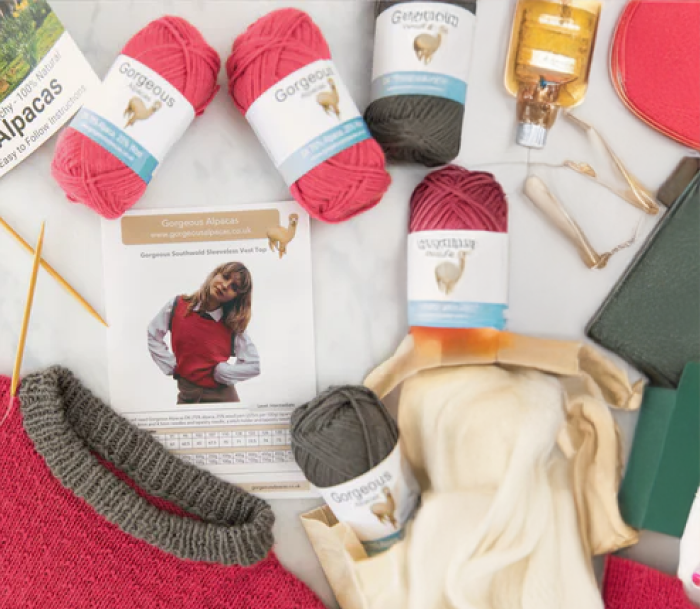

Pick your Pattern
Unlock Your Creative Potential with a great range of patterns matched with divine yarn in vibrant colours and How To videos for the stitches.
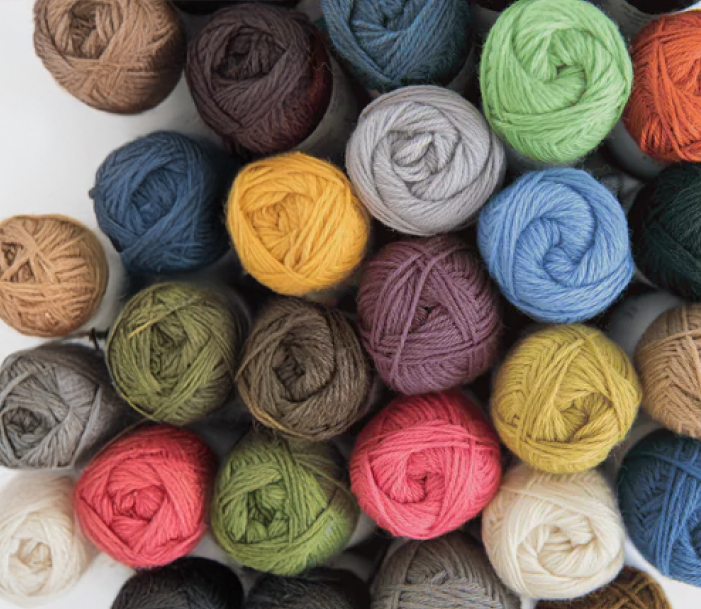

Choose your Colours
Unlock Your Creative Potential with a great range of patterns matched with divine yarn in vibrant colours and How To videos for the stitches.
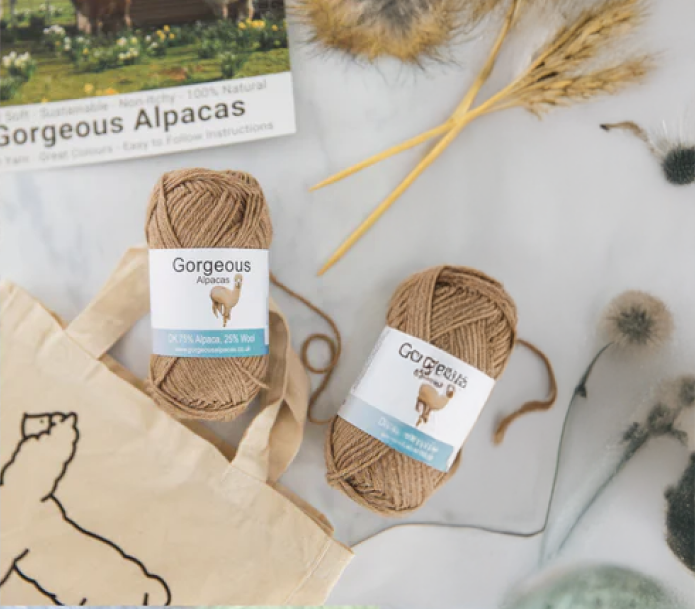

Receive your Kit
Unlock Your Creative Potential with a great range of patterns matched with divine yarn in vibrant colours and How To videos for the stitches.

Create your Unique Home Knit
Unlock Your Creative Potential with a great range of patterns matched with divine yarn in vibrant colours and How To videos for the stitches.